
Summer heat safety for dogs and cats
Hot weather can make ordinary activities dangerous for dogs and cats. Plan for cool surroundings, suitable activity, drinking water, and prompt help if signs of illness appear.
THE DRIYU JOURNAL
Emergency & Safety
In this reading
Quick answer: Avoid dangerous heat and hot surfaces, never leave a pet in a parked car, and watch for panting, weakness, or breathing changes. A hand-on-pavement test is not proof that a walk is safe. Suspected heatstroke needs immediate cooling and emergency veterinary care.
A note about veterinary care
This article is for organization and general education only. It is not veterinary advice, diagnosis, or treatment. Always ask your veterinarian about your pet's health, medications, vaccinations, weight, symptoms, or care plan.
Dogs and cats can overheat, especially with exertion, humidity, illness, or limited access to cool shelter. Panting in a cat can be a sign of serious distress; do not treat it as ordinary summer behavior.
Hot surfaces and walking conditions
Pavement can become hot enough to injure paws. Choose cooler conditions and suitable surfaces, but do not use a seven-second hand test as a safety threshold. Assess the weather, humidity, activity, and individual pet together. See walking in hot weather.
The parked-car rule
A parked vehicle can heat rapidly, and partly open windows do not make it safe. Leave the pet at home in a safe environment if you cannot take it with you at the destination.
Hydration for dogs and cats
- Multiple water bowls, refreshed daily.
- Provide accessible fresh water; seek veterinary advice for a change in drinking rather than relying on a fountain to solve it.
- Carry water, offer frequent opportunities to drink, and shorten or skip activity when conditions are unsafe.
- Changes in urination need attention and do not measure hydration reliably on their own.
- Contact your vet about suspected dehydration or illness; do not rely on a home skin test to rule out a problem.
Indoor cat summer notes
- Open-mouth panting in cats is unusual and a serious warning sign — emergency vet visit.
- Cats often seek cool floors (tile, bathtub) in heat — this is normal.
- Maintain a safe indoor temperature and plan for cooling failures during a heatwave.
- Make water easy to reach, including for older cats or those with mobility limitations.
- Beware of fans with exposed blades or windows propped open with unsecured screens. See indoor cat escape prevention.
Higher-risk pets
- Brachycephalic breeds: pugs, French bulldogs, Persians, Himalayans — flat faces mean less efficient cooling.
- Senior pets — cardiovascular and respiratory reserves are lower.
- Overweight pets — extra insulation works against them in summer.
- Pets with heart, respiratory, or laryngeal disease.
- Any pet exposed to excessive heat or exertion, regardless of coat type.
Adjust expectations and activity for these pets.
Recognizing heatstroke
- Heavy panting that does not slow with rest.
- Thick, ropy drooling.
- Bright red, dark red, or pale gums.
- Weakness, stumbling, confusion.
- Vomiting, diarrhea.
- Collapse.
Suspected heatstroke is an emergency. Move to a cooler place, start cooling with water and airflow, and contact an emergency vet while arranging transport. Do not wrap the pet in wet towels or force water into its mouth. Continue as the clinic directs; do not delay care because the pet seems better.
Other summer hazards
- Stings: facial swelling, breathing changes, collapse, or a severe reaction need urgent veterinary care.
- Foxtails and grass awns — check paws and ears after walks in dry-grass areas.
- Avoid water with suspected harmful algae and follow local advisories. Dangerous blooms can occur in different water bodies, not only still ponds.
- Sunburn on light-coated noses and bellies — pet-safe sunscreen if needed (ask your vet).
- Open windows and balconies — cats jumping at birds.
How Driyu can help
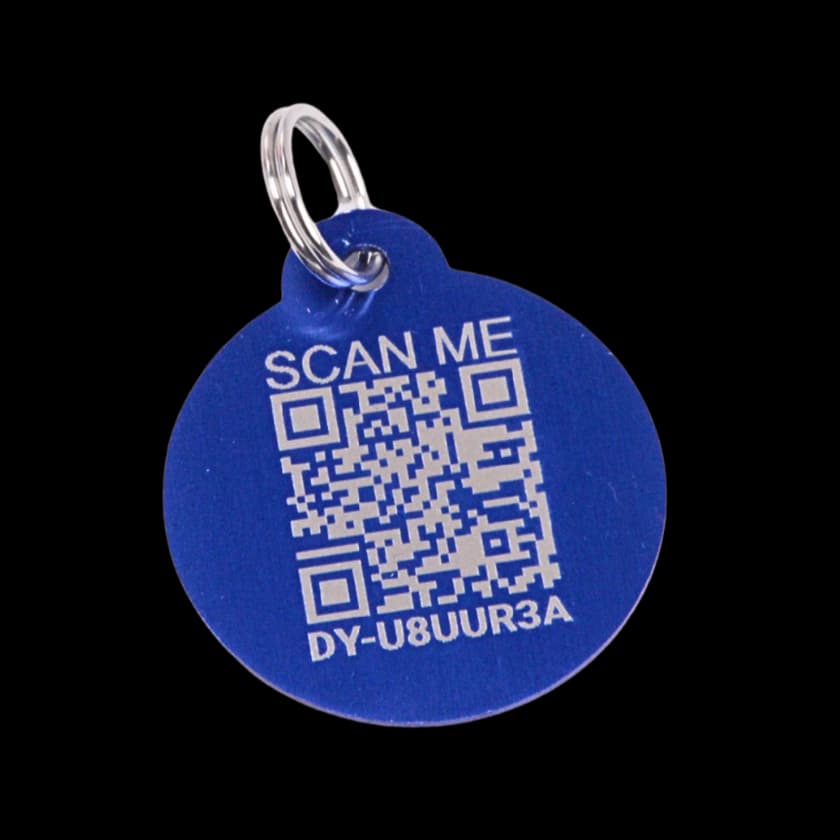
Keep identification and public contacts current, and save clinic and poison-help numbers separately on your phone and on paper. Driyu does not measure temperature, detect heatstroke, or provide an emergency response.
Sources and further reading
- AVMA — Hot weather and your pet. Veterinary guidance on heat risk and heatstroke. avma.org
- ASPCA — Hot weather safety tips. Owner-facing summer pet care. aspca.org
- AAHA — Heatstroke prevention. Veterinary practice guidance. aaha.org
- AAFP / Cat Friendly — Cat heat safety. Owner resources specific to cats. catfriendly.com