
What to update in your pet's profile before moving or traveling
A move or trip is a useful moment to review your pet’s contact details. Plan the information handoff before you leave and keep private travel details off the public page.
THE DRIYU JOURNAL
Records & Paperwork
In this reading
Quick answer: Check current contacts, the pet photo, public visibility and caregiver access. Update Driyu and the microchip registry separately. Start travel-document planning early; this profile checklist is not a complete travel-requirements checklist.
A note about privacy
Public recovery pages may show the information the owner chooses to provide or make visible. Review your settings and Driyu's current Privacy Policy for the latest details. Do not share information publicly that you are not comfortable making visible to a finder.
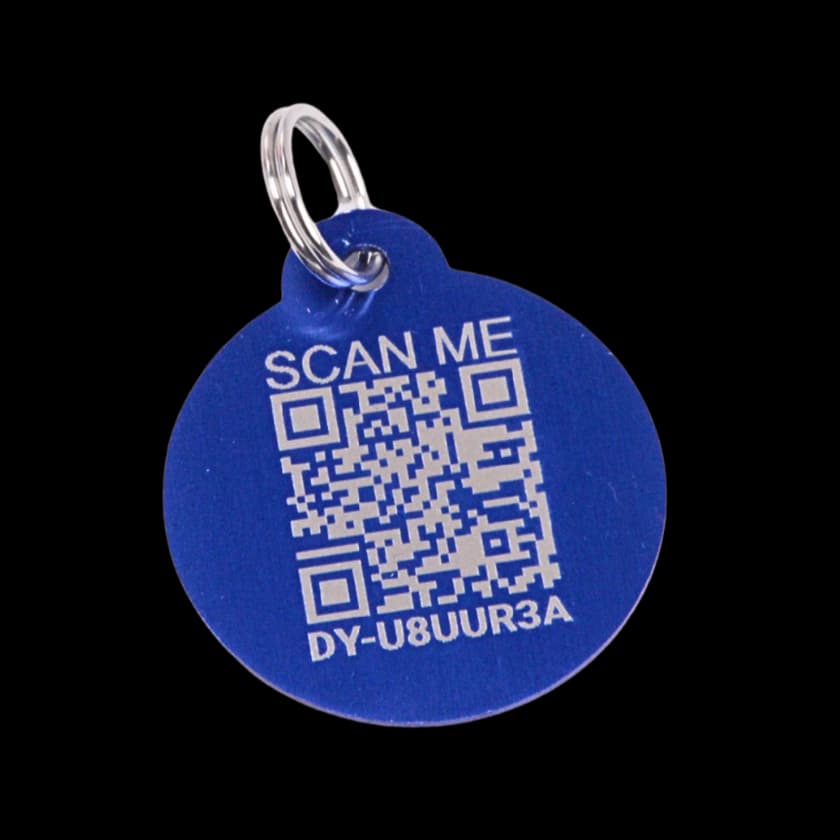
A current number gives a finder a usable way to contact you. It cannot guarantee how quickly a pet will be found or returned. Scan the tag before departure and check the actual public view.
Before departure: review the essentials
Review these areas before departure:
- Phone number. The number you actually answer. If you are switching carriers around the move, use the number that will be live during the trip itself.
- Account address. Review it after a move. The account address field is excluded from the public scan page, but an address added to public text or a photo can still appear.
- City and state. Their owner-account settings control visibility. The scan page shows the combined location only when both fields are visible and populated and the owner contact card appears.
- Emergency contacts. Choose people who agree to be listed and can help while you are away. Check each number; adding them does not grant account access.
- Current photo. Use a clear image that reflects the pet’s current appearance, especially after growth or a major grooming change.
- Vet contact. Give your caregiver the clinic information privately. Do not assume that saving a provider in the app automatically adds a public vet contact card.
The microchip registry is a separate record
Maintain the registry record separately from Driyu. Check the contact details through the registry’s own process rather than assuming a tag-profile update synchronizes them. See registration and the chip itself.
For a trip: care and contact arrangements
If you are going somewhere temporarily, a few extras help:
- A temporary contact. With their consent, list a suitable emergency contact and review public visibility. A sitter who needs account access also needs the appropriate shared invitation.
- A brief public note. If relevant, say “Away from our usual area; please use the contacts on this page.” Avoid travel dates, accommodation addresses and schedules that reveal when the home is empty.
- A vet at the destination. If you know the closest 24-hour vet at your destination, having that number written down before you arrive saves panic later.
- Travel documents. Confirm destination and carrier requirements early. A file in Driyu does not replace required originals or certificates. For U.S. travel planning, start with USDA APHIS guidance.
For a longer travel checklist, see traveling with pets: the records and ID checklist most owners forget.
For a move: review each address record
A move has its own list because address shows up in multiple places. Update each one:
- Microchip registry — phone and address.
- Driyu account — current contacts and address; public scan page — contact visibility, public text and photos. Review those separately.
- Vet records — new clinic if you are switching.
- Pet insurance — mailing address and account contact.
- Local licensing — check the relevant authority’s address-update process.
- Emergency contacts — if any of them are people in the old city, decide whether they stay on the list or are replaced.
For the broader picture on the move itself, see moving with pets: how to update your pet’s ID, microchip, and records.
A final check before leaving
Before leaving, check the practical details again:
- Check the contact options that are actually visible on the public page and confirm a reachable route remains.
- Is the photo a current one?
- Are the emergency contacts still current, available and happy to be listed?
- Does any public note reveal travel dates or private household details that should be removed?
- Is the tag physically still on the collar?
How Driyu can help
Driyu separates account contacts, pet details, private records and shared access. Review each relevant area, then inspect the public scan page. If a sitter needs account access, use Family Sync and confirm their role before departure.
Sources and further reading
- American Veterinary Medical Association — Pet microchipping. Why the registry record matters, not just the chip. AVMA — Microchipping your pet · PDF
- ASPCA — Moving with pets. Owner-facing guidance on identification updates during a move. aspca.org
- USDA APHIS — Official pet travel information.