
Driyu profile vs microchip registry only: pros and cons
A registry record and a Driyu recovery page serve different identification routes. This comparison describes those routes, not proof of ownership or a guaranteed outcome.
THE DRIYU JOURNAL
Pet ID & QR Tags
In this reading
Quick answer: Driyu adds a public phone-accessible profile alongside microchip registration. Each needs current information and has its own limitations.
A note about lost-pet recovery
No tool can guarantee a lost pet will be found. Driyu can help organize information and make contact easier when someone scans or reports a found pet, but recovery also depends on the situation, the finder, local shelters, microchip registration, and your search actions.
What microchip registry alone gives you
A registry maintains contact information associated with the chip number. Check its own registration and update process. A listing is not presented here as a legal ownership determination.
What Driyu adds
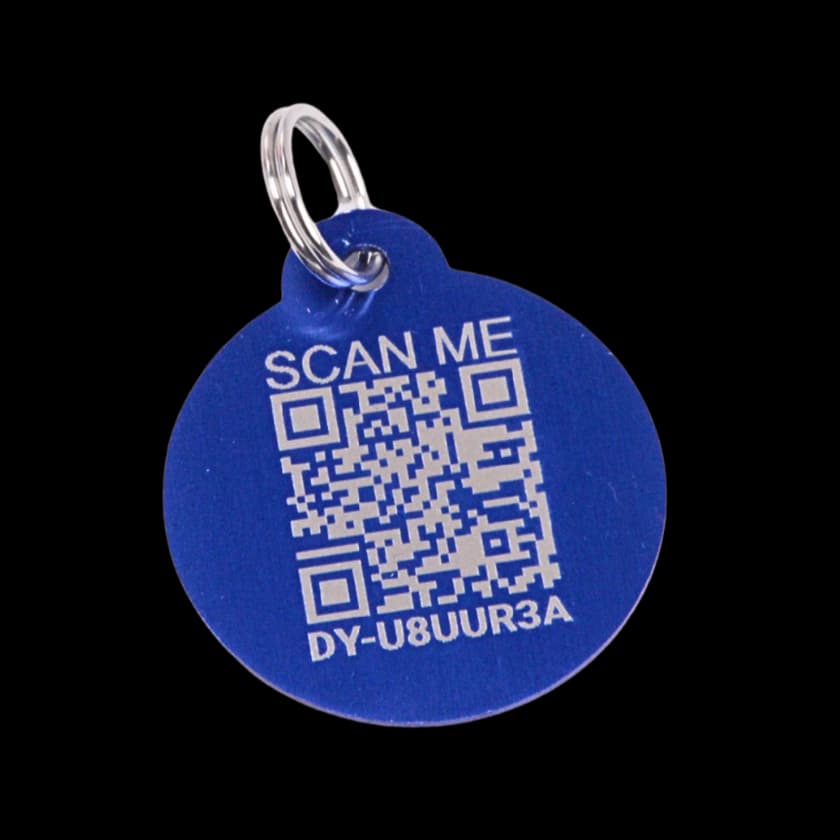
The Driyu scan page shows public recovery information and available contacts. When the pet or tag is marked lost, it adds the banner, saved finder instructions and report form. Saving a report starts notification attempts; delivery is not guaranteed. Opening the page alone is a different action.
Tradeoffs
- Registry record: check that it can be located and that the stored contact details are current.
- Driyu page: accessible by a public web link, with internet and service availability required. Its updates do not synchronize the registry.
How Driyu fits
Driyu does not replace the microchip registry. The two layers run in parallel. The chip is for the vet/shelter scanner. Driyu is for the finder with a phone.
Related reads from Driyu
- How Driyu works with your microchip registry (not as a replacement)
- Microchip registration vs the chip itself: what owners get wrong
- Microchip, QR tag, or both? Understanding how pet ID works in layers
Sources and further reading
Frequently asked questions
Is registry alone enough?
The registry and public tag page provide different ways to seek contact. Review what each currently contains rather than relying on a promise that either covers every situation.
Do I update both?
Yes — phone and address changes go in each separately.
Can Driyu replace a registry?
No. They run in parallel.
What if my chip is enrolled in a registry I no longer use?
Ask the relevant registry how to correct or re-register the record. AAHA’s AAHA — Universal Pet Microchip Lookup helps locate registries; it does not perform a transfer.